How Much Does Drywall Repair Cost?
Drywall repair typically costs between $75 and $250 for a small patch, $200 to $450 for a medium hole with texture matching, and $400 to $600 or more for large sections, ceilings, or water-damaged areas. The size of the damage matters less than the finish work: taping, mudding in thin coats, sanding, and matching texture is where the labor — and the price — actually lives.
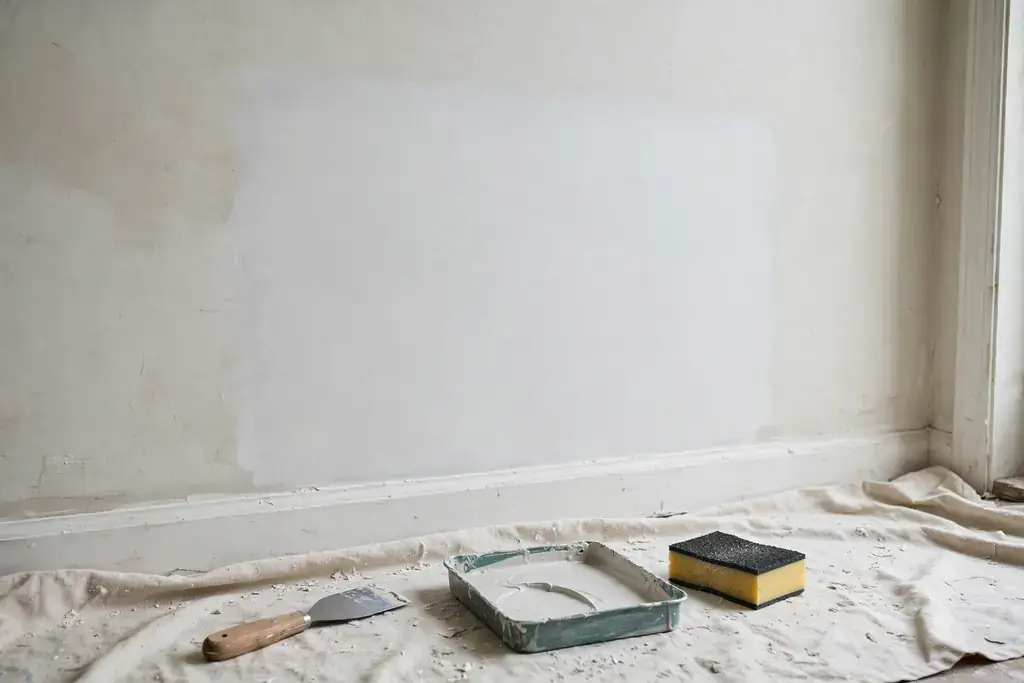
Drywall repair prices by job size
Drywall work is quoted by the repair, not by the hour, because the same hole can take twenty minutes of patching and two return visits of drying time. These typical national ranges assume the repair is finished smooth and ready for paint.
| Repair | Typical range | Notes |
|---|---|---|
| Small patch (doorknob hole, dents, nail pops) | $75 – $250 | Often bundled several at a time in one visit |
| Medium hole (up to about 12 inches) | $200 – $450 | Backing added, patch set, taped, and texture-matched |
| Large section or multiple holes | $400 – $800 | New gypsum cut in; price rises with total square footage |
| Ceiling repair | $300 – $800 | Overhead work is slower and texture is harder to hide |
| Water-damaged section | $400 – $1,000 | Assumes the leak source is fixed first; mold findings change the job |
Why two quotes for the same hole can be far apart
A cheap patch and an invisible repair are different products. The low quote usually covers a fill-and-sand: compound pressed into the hole, sanded once, done. It photographs fine and shows in raking light forever. The higher quote buys the full sequence — backing so the patch cannot flex and crack, tape on the seams, two or three feathered coats, a texture test on scrap before the wall gets touched, and primer, because unprimed compound flashes through paint as a dull patch even when the surface is perfect.
Texture is the silent price driver. Smooth walls are the most forgiving to repair well and the least forgiving of a sloppy one — every ridge telegraphs. Orange peel and knockdown hide minor sins but require the repairer to own the matching spray equipment and the patience to dial it in. When you compare quotes, ask one question: does this price include texture matching and priming? The answer explains most of the spread. The service page for drywall repair lists everything a proper repair visit covers.
When the drywall is not the real problem
Stains, bubbling paint, and soft spots usually mean water got there first — from a roof line, a supply line, or a shower valve behind the wall. Replacing the gypsum without fixing the source buys you the same repair again next season, plus the risk of mold inside the cavity. A good pro will say so before quoting the patch, and the sequencing matters: source fixed, cavity dried, then new board. Homeowners in older housing stock run into this often; the local notes on drywall repair in Reno and drywall repair in Corpus Christi describe the housing quirks that make water damage show up differently in each market.
What to do before the pro arrives
Clear the furniture back from the wall, take a photo that shows the damage next to something with a known size (a sticky note works), and count every hole in the house — the second and third patches in the same visit cost a fraction of booking them separately. If paint matching matters, keep the leftover can or the paint code; a repair can be texture-perfect and still read as a patch if the sheen is off.
Planning the paint that follows? The companion interior painting cost guide breaks down room-by-room pricing, and most of the repairs in this guide also appear on the home repair punch list — the running list of small fixes worth clearing in a single visit.
When the damage is bigger than it looks
Some drywall damage is a symptom wearing a costume. A patch that keeps cracking along the same line is telling you the framing behind it moves — a settling corner, a door slammed ten thousand times, a joist that flexes. Compound cannot fix movement; the repair has to address the cause or use flexible techniques that tolerate it, and a pro who has seen the pattern will say so instead of selling you the same patch twice. Sagging ceilings are the other escalation: waterlogged gypsum loses its grip on the screws holding it, and a ceiling section that has bellied down is usually replaced rather than patched, both because the board has lost strength and because overhead patch failures announce themselves by falling.
There is a size threshold where patching stops making sense altogether. When damage covers most of a wall — a flooded room, a demolition-happy renovation — hanging fresh full sheets and finishing the seams is faster and cheaper per square foot than a dozen individual patches, and it leaves a wall with one texture instead of a quilt. Ask the quoter where that line falls for your room; good repairers volunteer it, because they would rather finish a clean wall than guarantee a patchwork.
Rentals, deposits, and move-out walls
A large share of drywall repair is really deposit recovery. Landlords deduct for wall damage at rates that bear little relation to repair costs — a handful of holes can be billed at several hundred dollars from a deposit schedule, while the actual repair, done before move-out, costs what this guide's table says. Tenants who mounted TVs and hung shelves should price the patch before returning the keys; the math is rarely close. The reverse also holds for landlords between tenants: a proper repair-and-prime makes a unit photograph and show like it was cared for, and patching between tenancies is the cheapest cosmetic reset in the rental business — cheaper per door than paint alone over damaged walls, because paint cannot hide a single dent of it.
Drywall is rarely the only wall on the list — start at the national homepage to see the full menu of repairs a single visit can clear.
Frequently asked questions
Is it cheaper to patch drywall myself?
For one small hole, a DIY patch kit costs little and the skills are learnable. The honest trade-offs are time and finish: the patch has to be taped, coated in thin layers with drying time between them, sanded, textured, and primed. Homeowners usually hire it out when the damage is on a prominent wall, on a ceiling, or one of several holes at once — the bundle is where a pro's price gets efficient.
Why does a small hole cost $200 if the patch takes minutes?
Because the visit, not the patch, is the product. Travel, setup, dust control, the patch itself, return drying time or a fast-setting compound, sanding, texture matching, and cleanup all sit inside that figure. It is also why adding nearby holes to the same visit barely moves the price — the fixed costs are already paid.
Does drywall repair include painting?
Priming should always be included, because bare compound shows through paint. Finish painting is quoted separately in most cases — sometimes just the patched wall, sometimes the whole wall plane so the sheen matches corner to corner. Ask which one your quote covers before the visit.
How long does a drywall repair take?
A small patch can be patched, coated, and sanded in one visit using fast-setting compound. Larger repairs with standard compound need drying time between coats, which usually means two or three short visits across a couple of days. Ceilings and texture matching sit at the slow end.
Book the patch and be done with it
Send dispatch a photo description of the damage and get a firm quote for the finished repair, texture included.
Call (877) 705-6325